

Alignment
Alignment क्या है? किसी भी चीज को ठीक तरीके से रखना या उसकी positioning अच्छी तरह से करना ही Alignment होता है।
Microsoft Excel में Alignment एक बहुत महत्वपूर्ण feature है जिसकी मदद से हम किसी भी सेल (Cell) में लिखे गए data को सही दिशा और सही स्थान पर व्यवस्थित (Align) कर सकते हैं।
Excel में Alignment का मतलब है कि cell के अंदर data को किस जगह पर दिखाया जाए। यह data को साफ और समझने में आसान बनाता है। Excel में Horizontal Alignment जैसे Left, Center और Right होते हैं, और Vertical Alignment जैसे Top, Middle और Bottom होते हैं। User text को घुमा सकते हैं, cell के अंदर text को Wrap कर सकते हैं या कई cells को Merge करके content को सही तरीके से दिखा सकते हैं। Alignment table, report और dashboard बनाते समय बहुत काम आता है क्योंकि इससे data व्यवस्थित और professional दिखाई देता है।
जब हम Excel में रिपोर्ट, MIS, Dashboard या Data Table बनाते हैं, तब Alignment का सही उपयोग हमारी report को Professional और Readable बनाता है।
जब भी आप कोई नई worksheet बनाते हैं तो आपके सामने सबसे बड़ा challenge data format को लेकर यह होता है कि data को कहां रखें। क्या इसको पहली row में रखें या दूसरी row में रखें, पहले column से शुरू करें या दूसरे column से शुरू करें। किसी cell में data को left से लिखें या right से लिखें और इस तरह के बहुत सारे challenges होते हैं जो कि आपको एक अच्छे तरह से data लिखने में बाधा डालते हैं इन सभी सवालों का हल आपको Cell Alignment में मिल जाएगा।
इस लेख में हम Excel Alignment को Basic से Advanced Level तक समझेंगे।
तो आइए सीखते हैं cell alignment के सभी options के बारे में। ये क्या होते हैं, इनको कैसे use करते हैं और आप इनको use करके अपने data को कैसे बेहतर बना सकते हैं।
Excel Alignment क्यों जरूरी है?
अगर Alignment सही न हो तो:
- Data असंगठित दिखता है
- Report professional नहीं लगती
- Print निकालने पर formatting खराब होती है
- Dashboard समझना कठिन हो जाता है
👉 इसलिए Corporate Reporting और MIS में Alignment बहुत महत्वपूर्ण होता है।
Excel Alignment कहाँ मिलता है?
Excel Ribbon में:
Home Tab → Alignment Group

- Left Align
- Center Align
- Right Align
- Top Align
- Middle Align
- Bottom Align
- Wrap Text
- Merge & Center
- Orientation
1️⃣ Horizontal Alignment (Left, Center, Right)
यह Text को Left से Right दिशा में व्यवस्थित करता है।
Left Align
- Text default रूप से Left में होता है।
- Description या नाम लिखने में उपयोग।
Center Align
- Heading या Title के लिए उपयोग।
- Dashboard headings में सबसे ज्यादा इस्तेमाल।
Right Align
- Numbers और Amount के लिए best practice।
- Finance reports में जरूरी।
Numbers हमेशा Right Align रखें — इससे calculation पढ़ना आसान होता है।
जब भी आप किसी cell में कुछ data लिखते हैं तो या तो यह horizontal होता है या vertical होता है। यदि आप data को horizontal रखते हैं तो इसमें निम्नलिखित तीन alignment होते हैं:
Left, Center और Right

किसी cell में data का horizontal alignment बदलने के लिए निम्नलिखित का पालन करें :
- उस cell को select करें जिस पर alignment apply करना है
- Ribbon में Home tab पर click करें
- अब alignment group में horizontal alignment options में से किसी एक पर click करें


2️⃣ Vertical Alignment (Top, Middle, Bottom)
यह Text को ऊपर-नीचे की दिशा में set करता है।
| Option | उपयोग |
|---|---|
| Top Align | Multi-line data |
| Middle Align | Tables & dashboards |
| Bottom Align | Default setting |
यदि आप data को vertical रखते हैं तो इसमें भी निम्नलिखित तीन alignment होते हैं:
Top, Middle और Bottom

किसी cell में data का vertical alignment बदलने के लिए निम्नलिखित का पालन करें:
- उस cell को select करें जिस पर alignment apply करना है
- Ribbon में Home tab पर click करें
- अब alignment group में vertical alignment options में से किसी एक पर click करें


Horizontal और Vertical alignment को आप निम्न चित्र की सहायता से आसानी से समझ सकते हैं :

3️⃣ Wrap Text क्या है?
जब Cell छोटा होता है और Text बड़ा होता है, तब:
👉 Wrap Text text को उसी cell में multiple lines में दिखाता है।
उपयोग:
- Address
- Description
- Remarks Column
Wrap text - यदि किसी cell में text, उस cell की width से अधिक होता है तो आप उसे wrap text की सहायता ठीक कर सकते है ऐसा करने से cell की height बढ़ जाती है। नीचे दिए गए उदाहरण में आप देख सकते हैं कि cell B2 में text, cell के बाहर दिखाई दे रहा है जबकि cell B3 में यह ठीक से दिखाई दे रहा है।

4️⃣ Merge & Center (सबसे ज्यादा इस्तेमाल होने वाला Option)
यह कई cells को मिलाकर एक cell बनाता है।
Example:
Report Title बनाते समय:
जैसा कि निम्नलिखित उदाहरण में दिखाई गया है।

Merge cells - दो या दो से अधिक cells को एक cell में combine करने के लिए merge cells का प्रयोग किया जाता है। इसके लिए आप सेल B2 में टेक्स्ट लिखिए, उसके बाद B2:E2 को सेलेक्ट करें और merge cells को select करें।
⚠️ सावधानी:
Merge cells का उपयोग ज्यादा न करें क्योंकि:
- Sorting में समस्या आती है
- Formula errors हो सकते हैं
5️⃣ Orientation (Text Rotation)
Text को घुमाने के लिए उपयोग होता है।
उदाहरण:
- Column headings
- Dashboard compact design
यदि cell के अंदर data को किसी एक angle पर घुमाना हो तो उसके लिए orientation option का प्रयोग करते हैं।
Orientation option के लिए निम्नलिखित का पालन करें :
- उस cell को select करें जिस पर orientation apply करना है
- अब Home tab पर click करें
- इसके बाद alignment group में orientation drop down button पर click करें। आपको निम्न 6 options मिलेंगे।

- इन सभी 6 options को आप निम्न चित्र की सहायता से आसानी से समझ सकते हैं:


- अंतिम option Format Cell Alignment पर click करने पर आपको alignment के advance options मिलेंगे ,जैसा की नीचे चित्र में दर्शाया गया है।

Text Alignment:
Horizontal: Horizontal alignment किसी cell में data के Left, Right या Center alignment को adjust करने के लिए प्रयोग किया जाता है। इसमें निम्नलिखित options होते हैं:
General - यह cell की default setting होती है जिसमें text बाईं और number दाईं ओर होता है।

Left (Indent) - किसी cell में बाईं ओर से कितना space छोड़ना है उसके लिए left indent का प्रयोग किया जाता है। इसके लिए आप left indent option को select करेंगे और indent box में जितना indent चाहिए उतने number लिखेंगे।

Left indent के उदाहरण :

Center - data को cell के बीच में लाने के लिए।
Right (Indent) - किसी cell में दाईं ओर से कितना space छोड़ना है उसके लिए right indent का प्रयोग किया जाता है। इसके लिए आप right indent option को select करेंगे और indent box में जितना indent चाहिए उतने number लिखेंगे।

Right indent के उदाहरण :

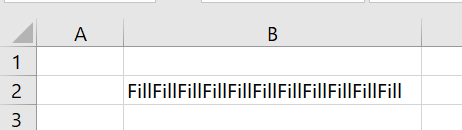
Fill - cell में लिखे हुए content को cell की width के अनुसार repeat करता है।
Justify - cell में दाईं और बाईं दोनों ओर से text को align करने के लिए।

Center Across Selection - इसकी सहायता से cells को बिना merge किए आप text को multiple cells के center में रख सकते हैं। नीचे दिए उदाहरण में देखने में लग रहा है कि cells B2:F2 merge किए हुए हैं जबकि ऐसा नहीं है।
इसके लिए आप cell B2 में text लिखिए, उसके बाद B2:F2 को select करें और Center Across Selection option को select करें।

Distributed (Indent) - इसकी सहायता से आप text को समान रूप से cell में horizontally distribute कर सकते हैं।

Vertical: Vertical alignment किसी सेल में data के top, center या bottom alignment को adjust करने के लिए प्रयोग किया जाता है। इसमें निम्नलिखित options होते हैं:
Top - इसमें text की position, किसी cell में ऊपर की ओर होती है।
Center - इसमें text की position, किसी cell में बीच में होती है।
Bottom - इसमें text की position, किसी cell में नीचे की ओर होती है।

Justify - सेल में ऊपर और नीचे दोनों तरफ़ से align करने के लिए।

Distributed - इसकी सहायता से आप text को समान रूप से cell में vertically distribute कर सकते हैं।

Text Control: इसमें निम्नलिखित options होते हैं:
- Wrap text
- Shrink to fit
- Merge cells
Shrink to fit - font के आकार को cell की width के अनुसार कम कर देता है।

📊 Real-World Example (Corporate Use Case)
मान लीजिए आप MIS Report बना रहे हैं:
| Name | Department | Monthly Salary (INR) |
|---|---|---|
| Amit Sharma | IT / Software | ₹75,000 |
| Priya Verma | Human Resources | ₹55,000 |
| Rahul Kumar | Marketing | ₹60,000 |
| Neha Gupta | Finance | ₹85,000 |
| Vikram Singh | Operations | ₹45,000 |
| Anjali Desai | Data Science | ₹1,20,000 |
| Rajesh Patel | Sales | ₹40,000 |
| Sneha Reddy | Product Manager | ₹1,10,000 |
| Arjun Nair | Customer Support | ₹30,000 |
| Pooja Joshi | IT / Software | ₹90,000 |
Best Alignment Practice:
Name → Left Align
Department → Center Align
Salary → Right Align
👉 इससे रिपोर्ट instantly professional दिखती है।
⭐ Excel Alignment Best Practices (Expert Tips)
✅ Heading हमेशा Center Align करें
✅ Amount Right Align करें
✅ Wrap Text का उपयोग Description में करें
✅ Merge कम से कम उपयोग करें
✅ Print Preview हमेशा check करें
❌ Common Mistakes (जो Beginners करते हैं)
- सभी data को Center Align करना
- Merge cells का अधिक उपयोग
- Wrap Text न लगाना
- Numbers Left Align रखना
🎯 Interview Question (Excel Users के लिए)
Q1: Alignment और Formatting में क्या अंतर है?
Ans: Excel में Alignment और Formatting दोनों ही data को बेहतर दिखाने के लिए उपयोग किए जाते हैं, लेकिन इनका काम अलग होता है।
Alignment का मतलब है कि किसी cell में मौजूद data किस दिशा में और किस स्थान पर दिखाई देगा। उदाहरण के लिए, आप text को Left, Center या Right में align कर सकते हैं, और ऊपर-नीचे (Top, Middle, Bottom) भी set कर सकते हैं। इसका मुख्य उद्देश्य data को सही तरीके से व्यवस्थित (arrange) करना होता है ताकि वह पढ़ने में आसान लगे।
वहीं, Formatting एक व्यापक प्रक्रिया है जिसमें data की पूरी appearance (दिखावट) को बदला जाता है। इसमें Font style, size, color, bold, borders, background color, number format (जैसे currency, percentage) आदि शामिल होते हैं। Formatting का उपयोग data को आकर्षक और professional बनाने के लिए किया जाता है।
👉 सरल शब्दों में:
Alignment = data की position (स्थिति) बदलना
Formatting = data की design और style बदलना
एक अच्छी Excel report बनाने के लिए दोनों का सही उपयोग जरूरी है, जिससे आपका data साफ, समझने योग्य और professional दिखे।
Q2: Merge & Center का alternative क्या है?
Ans: Excel में Merge & Center का उपयोग कई cells को जोड़कर text को बीच में दिखाने के लिए किया जाता है, लेकिन इसके कारण sorting, filtering और formulas में समस्या आ सकती है। इसलिए इसका एक बेहतर और professional alternative है — “Center Across Selection”।
✅ Center Across Selection क्या है?
यह option बिना cells को merge किए ही text को selected cells के बीच में center में दिखाता है। यानी data visually center में दिखेगा, लेकिन cells अलग-अलग ही रहेंगे।
🔧 कैसे उपयोग करें?
- जिस range में text center करना है उसे select करें
- Press करें Ctrl + 1 (Format Cells)
- Alignment tab में जाएं
- Horizontal dropdown से Center Across Selection चुनें
- OK पर क्लिक करें


⭐ क्यों यह बेहतर है?
- Sorting और Filtering सही से काम करते हैं
- Formulas में error नहीं आता
- Professional reporting के लिए best practice
- Data structure intact रहता है
👉 निष्कर्ष:
Merge & Center की जगह हमेशा Center Across Selection का उपयोग करें, खासकर जब आप MIS reports, dashboards या बड़े datasets पर काम कर रहे हों। यह तरीका ज्यादा सुरक्षित, flexible और professional माना जाता है।
Q3: Numbers Right Align क्यों होते हैं?
Ans: Excel में Numbers (संख्याएँ) को default रूप से Right Align किया जाता है, और इसके पीछे एक महत्वपूर्ण कारण है — readability और accuracy। जब सभी numbers दाईं (right side) में align होते हैं, तो उनके digits (अंक) एक सीधी लाइन में दिखाई देते हैं, जिससे उन्हें पढ़ना, तुलना करना और calculate करना आसान हो जाता है।
उदाहरण के लिए, अगर आप किसी कॉलम में अलग-अलग amounts (₹100, ₹2,500, ₹45,000) लिखते हैं, तो Right Align होने पर सभी numbers के last digits एक सीध में आते हैं। इससे units, tens, hundreds को आसानी से compare किया जा सकता है। यही कारण है कि accounting, finance और MIS reports में हमेशा numbers को Right Align किया जाता है।
इसके अलावा, Excel के कई formulas और calculations भी सही तरीके से काम करते हैं जब data व्यवस्थित रहता है। Right alignment से data structure साफ और professional दिखता है।
👉 सरल शब्दों में:
- Right Align से numbers सही तरीके से व्यवस्थित होते हैं
- Comparison और calculation आसान हो जाता है
- Report professional दिखती है
इसलिए Excel में numbers को Right Align करना एक best practice माना जाता है, खासकर जब आप financial data या reports पर काम कर रहे हों।
❓ Frequently Asked Questions (FAQ)
Q1. Excel में Default Alignment क्या होता है?
Text → Left Align
Number → Right Align
Q2. Wrap Text और Merge में क्या अंतर है?
Wrap Text cell size बदलता नहीं, Merge cells को जोड़ देता है।
Q3. Professional Report के लिए कौन सा Alignment सही है?
Mixed Alignment (Text Left + Numbers Right).
✅ Conclusion
Excel Alignment एक छोटा लेकिन बहुत powerful feature है जो आपकी रिपोर्ट को professional बना देता है। सही Alignment का उपयोग करने से data readable, clean और presentation-ready बन जाता है।
अगर आप Excel Dashboard या MIS Reporting सीख रहे हैं, तो Alignment की समझ बहुत जरूरी है।
👨💻 Author
Total Data Solution
Data Analyst | Excel & SAP Analytics Cloud Developer
I share practical Excel, Automation, and Reporting tutorials based on real corporate experience.